
The Best Option for Animal Netting: Handwoven Stainless Steel Zoo Mesh
Alice
9/27/20254 min read
What is Animal Netting and Its Importance
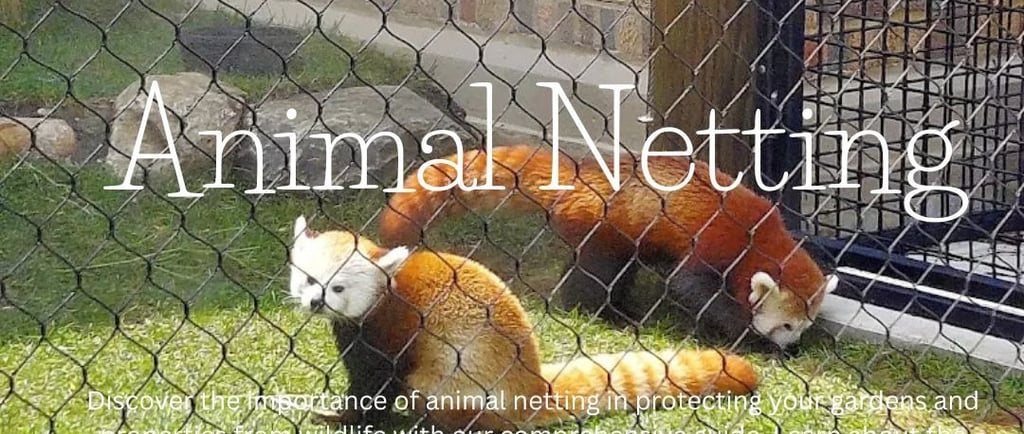
Animal netting refers to various types of barriers made from durable materials, designed specifically to enclose or protect animals in a controlled environment. Its primary purpose is to ensure safety for both animals and human visitors in settings such as zoos, wildlife parks, and research facilities. These netting solutions serve as a pivotal component in wildlife management, allowing animals to inhabit their enclosures without the risk of escaping or harming themselves, while simultaneously protecting visitors from any potential dangers posed by the animals.
The significance of animal netting extends beyond basic safety; it plays a crucial role in animal conservation efforts. By providing secure habitats, animal netting facilitates breeding programs and serves as a sanctuary for endangered species. The controlled environments created by effective animal netting solutions can help animals acclimate to captivity, thereby increasing their chances of survival. Various types of animal netting materials, including nylon, plastic mesh, and metal frameworks, are available, but it's essential to choose options that are both resilient and sustainable. Handwoven stainless steel zoo mesh, for instance, combines strength with longevity, offering a reliable solution that withstands environmental pressures.
In many wildlife parks, animal netting also acts as a visual barrier, allowing for an unobstructed view of animals in their enclosures without physical interference. This design not only enhances the visitors' experience but also promotes an ethical approach to animal viewing. Moreover, animal netting aids in the overall maintenance of a safe environment, minimizing stress among captive animals while allowing them to express natural behaviors. Therefore, selecting the right type of animal netting is crucial for the well-being of both the creatures and their caretakers, making it an indispensable element in animal-related facilities.
Why Choose Handwoven Stainless Steel Zoo Mesh
When selecting animal netting, opting for handwoven stainless steel zoo mesh presents numerous advantages over alternative materials such as plastic or traditional wire. One of the most significant benefits of this premium choice is its exceptional strength. Handwoven stainless steel is crafted through a meticulous process that ensures a higher tensile strength than commonly used materials. This resilience allows it to withstand harsh environmental conditions and the physical interactions with animals, making it a reliable long-term solution for enclosures.
Alongside strength, corrosion resistance is a critical factor that sets stainless steel apart. Unlike plastic, which may degrade or become brittle over time, or traditional wire that often succumbs to rust and deterioration, stainless steel demonstrates remarkable durability against corrosion. This property significantly prolongs the lifespan of the netting, ensuring that it remains safe and effective over many years, ultimately resulting in cost savings for facilities that utilize animal enclosures.
Furthermore, the aesthetic appeal of handwoven stainless steel zoo mesh cannot be overlooked. Its sleek, modern appearance allows it to blend harmoniously with natural surroundings, creating an unobtrusive physical barrier that does not detract from the overall ambiance of the habitat. Visitors can enjoy unobstructed views of the animals while staff can ensure their safety and security. This mesh maintains visibility, allowing observers to appreciate the beauty of the animals without feeling confined by bulky fencing alternatives.
Incorporating handwoven stainless steel zoo mesh provides a perfect balance between strength, longevity, and elegance. By choosing this innovative netting solution, facilities can create a safe haven for animals while ensuring that their enclosures remain an integrated part of the natural environment.
Applications of Handwoven Stainless Steel Zoo Mesh
Handwoven stainless steel zoo mesh is a versatile material that caters to a variety of settings, particularly in wildlife enclosures. Its unique properties make it suitable for different types of animal habitats, providing both security and visibility. One prominent application of this material is in the enclosures for large mammals such as elephants, lions, and bears. The strength and durability of the mesh ensure that it can withstand the physical strength of these animals while offering an unobstructed view for visitors. Furthermore, the material's resistance to rust and corrosion contributes to its longevity, making it a cost-effective choice for long-term use.
In addition to large mammals, handwoven stainless steel zoo mesh is utilized in aviaries and bird enclosures. The fine mesh prevents escapes while allowing natural light and ventilation to penetrate the habitat. This is crucial for the health and well-being of the birds, as many species thrive in environments that closely mimic their natural habitats. Similarly, the mesh is ideal for reptile enclosures, providing a secure barrier that keeps reptiles contained while allowing visibility for education and observation.
A noteworthy application of this material extends beyond individual enclosures to secure perimeters in wildlife parks and reserves. Many wildlife organizations have adopted handwoven stainless steel zoo mesh as fencing for enclosures, preventing unauthorized access and ensuring the safety of both the animals and park visitors. Successful installations demonstrate not only the effectiveness of the material in maintaining security but also its aesthetic appeal, blending seamlessly with the natural surroundings. Such attributes have led zoo operators to report increased visitor satisfaction and safety, further incentivizing the adoption of handwoven stainless steel zoo mesh in animal enclosures.
Installation and Maintenance of Zoo Mesh
Installing handwoven stainless steel zoo mesh requires careful planning and execution to ensure optimal functionality and longevity. Begin by assessing the installation site, considering existing structures, potential animal interactions, and environmental factors. It is advisable to engage experienced professionals who understand the specific requirements of zoo mesh installation. Proper measurements are critical; precision in cutting the mesh to size, along with accurate fittings, is essential for maintaining the structural integrity and safety features of the enclosure.
When incorporating zoo mesh into existing structures, ensure compatibility with surrounding materials. A common challenge during installation is accommodating various shapes and sizes of enclosures. Utilizing adjustable framing systems or custom mounts can facilitate effective integration. Additionally, reinforcement of coupling points is vital, as these areas often bear significant stress. Employing high-quality attachment hardware will enhance stability and provide added assurance of safety.
Post-installation, the maintenance of handwoven stainless steel zoo mesh is crucial for its performance and durability. Periodic inspections should be conducted to check for signs of wear, rust, or damage. It is essential to establish a routine cleaning schedule, as debris and environmental elements can accumulate, potentially affecting visibility and the condition of the mesh. A gentle cleaning solution combined with a soft brush can effectively remove contaminants without compromising the mesh integrity.
Should repairs be necessary, using similar gauge stainless steel is recommended to ensure uniformity. Promptly addressing any issues will help prevent further damage and reinforce the overall structural integrity of the enclosure. By adhering to these best practices in installation and maintenance, facility operators can rely on the long-term performance of handwoven stainless steel zoo mesh, ensuring a safe and secure environment for the animals and the public alike.
Guide
Find the best zoo mesh for your needs.
Reviews
Safety
© 2024. All rights reserved.